Packwood Packing List: Layers, Road Kit, Trail Kit
- Pack in modules, not one heroic pile
- Core clothing for changeable conditions
- Day-pack essentials
- Navigation that survives lost service
- Road kit for every season
- Winter road module
- Rain, sun, and smoke adjustments
- Food and water without imaginary facilities
- Wildlife and pet considerations
- Cabin and town comforts
- Leave these out
- Run a final five-minute check
Pack in modules, not one heroic pile
Packing for Packwood means preparing for town, road, and chosen outing as three related jobs. A café morning does not need a backcountry kit. A high trail does not become safe because the same tote also contains a paperback and excellent cabin socks.
Begin with a core weather layer and everyday supplies. Add a road module for the season, then an activity module based on the exact open route. Check current NPS, WSDOT, Forest Service, weather, smoke, and fire information before the final zip.
Core clothing for changeable conditions
Pack:
- A moisture-managing base layer.
- An insulating fleece, wool, or synthetic midlayer.
- A waterproof, wind-resistant shell.
- Comfortable trousers or shorts suited to the activity.
- Sturdy footwear with appropriate traction.
- Spare dry socks.
- Warm hat and gloves, even in shoulder seasons.
- Sun hat and sunglasses.
- Sleep and town clothing kept dry.
Cotton may be comfortable in town but dries slowly when wet. For exposed or cool activities, choose layers that retain useful insulation and can be adjusted as effort and weather change. Pack a dry bag or simple waterproof liner for clothing and electronics.
Check the forecast by elevation. Packwood conditions do not describe Paradise, White Pass, or a shaded forest road. One valley can be rainy while higher ground is snowing and the mountain itself has elected not to appear.
Day-pack essentials
For an ordinary verified day outing, start with:
- Water appropriate to duration, weather, and effort.
- Ready-to-eat food plus a delay margin.
- Official downloaded map and a paper backup.
- Phone, power bank, and charging cable.
- Headlamp with spare batteries.
- First-aid supplies and personal medication.
- Sun protection.
- Insect protection when seasonally relevant.
- Whistle and emergency shelter appropriate to the route.
- Small rubbish bag.
- Any required pass or permit and identification.
This is a foundation, not a universal backcountry list. Snow travel, overnight trips, climbing, water crossings, hunting, paddling, or remote navigation need specialized equipment and competence beyond this article. Choose a shorter outing when conditions exceed either.
Do not count on potable water, toilets, mobile service, or an open visitor center. Current construction or seasonal closures can remove facilities while a nearby road remains open.
Navigation that survives lost service
Download the official map for the exact managing agency and open area. Save the route, road status, and closure notice offline, but still carry a paper map where remote travel warrants one. Know how to identify your position without asking a blue dot to perform miracles.
NPS warns that GPS may route visitors to a wrong or closed Mount Rainier entrance. Use the official park map and current directions when planning Packwood to Mount Rainier. Confirm the return route and last reliable fuel point.
A screenshot proves what a page said at one moment; it does not prove a gate stayed open. Recheck live information whenever service returns and obey signs onsite.
Road kit for every season
Keep these in the vehicle:
- Drinking water and shelf-stable food.
- First-aid kit and essential medications.
- Phone charger and power bank.
- Flashlight or headlamp.
- Paper map.
- Reflective warning equipment.
- Basic vehicle tools and the correct spare or repair system.
- Blanket or extra warm layers.
- Rubbish bags and paper towels.
Add vehicle-specific items according to the owner's manual. Inspect tires, lights, fluids, wipers, and fuel or charge before remote travel. Keep road equipment accessible; a roadside problem rarely schedules itself after you have politely unpacked.
In hot, smoky, or fire-prone conditions, check official restrictions and emergency information. Do not carry or use prohibited fire equipment. Never operate fuel-burning cooking or heating devices inside a vehicle, tent, cabin, or other enclosed space.
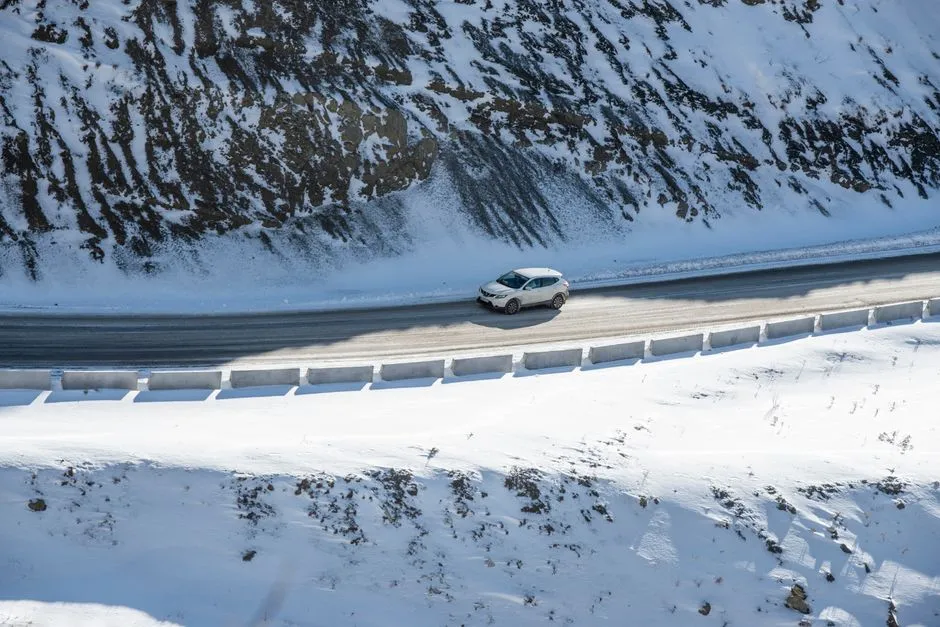
Winter road module
For winter or possible mountain-pass conditions, add:
- Properly fitting tire chains or approved traction devices.
- Waterproof work gloves and a kneeling mat.
- Ice scraper and snow brush.
- Compact shovel.
- Extra warm clothing, blankets, or sleeping bags.
- Additional water, food, and medication for delay.
- Reflective vest and additional light.
Practise fitting chains at home and follow the vehicle manual. WSDOT says AWD and 4WD vehicles still must carry chains under relevant advisories, and all vehicles may be required to install them during extreme conditions. Studded tires do not replace chains.
Read our Packwood winter guide before treating this module as complete. Equipment supports compliance and waiting; it does not make a closed route available.
Rain, sun, and smoke adjustments
For rain, add a pack cover or waterproof liner, gaiters where useful, and another pair of dry socks. A compact umbrella can suit town, but wind, branches, and narrow trails often make a hood more practical.
For sun, bring broad-spectrum sunscreen, sunglasses, a brimmed hat, and extra water. Snow and high elevation can increase glare even when the air feels cool.
For smoke or wildfire, packing is secondary to the go/no-go decision. Check agency alerts, air-quality information, closures, and evacuation notices. People with individual health concerns should follow advice from qualified professionals. A mask or air filter is not permission to enter a closed or hazardous area.
Food and water without imaginary facilities
Carry enough for the planned duration and a reasonable delay. Exact water needs depend on weather, exertion, route, person, and access to known safe water, so one universal litre count would mislead. Start hydrated and bring more when heat, elevation, or remoteness increases demand.
Do not drink untreated surface water. Use a treatment method appropriate to the hazards and current agency guidance, and know how to operate it before relying on it.
Pack ready-to-eat foods that tolerate the expected temperature. Keep perishable items appropriately cold. Store food and scented products according to the land manager's wildlife rules, and never feed elk or other animals.
Wildlife and pet considerations
Bring binoculars or a zoom lens so wildlife can remain wild and distant. Never pack feed for elk. Keep food secured, give animals an escape route, and retreat if your presence changes their behavior.
For pets, verify whether they are allowed on the exact trail, in the park area, lodging, and transport. Pack water, food, leash, waste bags, bedding, identification, and any needed medication. Do not leave a pet in a vehicle where temperature can become dangerous.
National park and national forest rules differ. “Near Packwood” is geography, not one shared rulebook.
Cabin and town comforts
Useful lodging items may include slippers, a book, earplugs, groceries for verified cooking facilities, and a reusable mug. Confirm linens, kitchen equipment, fire rules, internet, accessibility, and check-in procedure with the property.
Download entertainment and key messages before arrival if connectivity matters. Keep a small cash and card backup, but verify payment expectations directly. Do not assume a small-town business will remain open late because your itinerary developed an appetite at 9:17 p.m.
For a weekend in Packwood, pack one outfit and gear set around the primary outing, then add only what the fallback genuinely needs. Flexibility comes from compatible layers and current information, not bringing the contents of an outdoor shop.
Leave these out
Do not bring:
- Food intended for wildlife.
- Drones where prohibited.
- Fireworks or illegal fire-making supplies.
- Speakers that impose your soundtrack on others.
- Unapproved traction devices that do not fit the vehicle.
- Technical gear you do not know how to use as a substitute for training.
- Glass, pets, bikes, or other items where the specific site prohibits them.
Check rules for every managing agency. Pack out rubbish, respect private property, and clean footwear or equipment when guidance asks visitors to limit invasive species.
Run a final five-minute check
Before closing the door, confirm:
- The destination and road are open now.
- The weather and smoke are within your plan.
- Required passes, reservations, and identification are present.
- Water, food, light, navigation, and layers are accessible.
- Chains and road supplies match the vehicle and conditions.
- Someone has the route and expected return for remote outings.
Then remove the three “just in case” objects that solve no named problem. A lighter, deliberate kit is easier to carry, find, and use.
Travel conditions, access, permits, fire rules, weather, and services change. Check current NPS, WSDOT, Forest Service, local emergency, and provider information immediately before travel. Choose equipment and activities appropriate to your experience and conditions, obey closures, and never use this article as emergency navigation.