Packwood in Winter: Roads, Chains, and Plan B
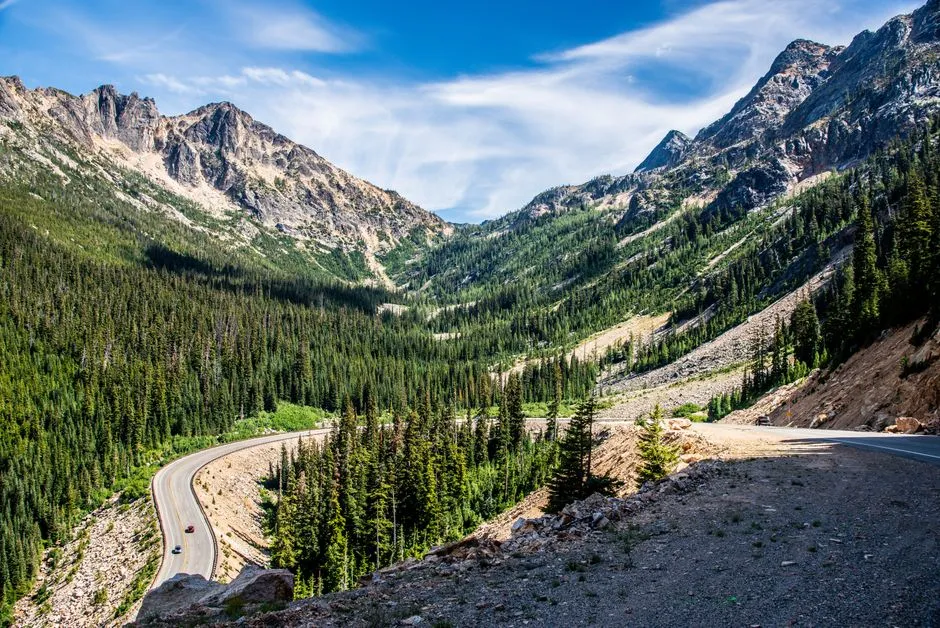
- Winter begins with the road report
- Know which roads are seasonal
- Read WSDOT traction language literally
- Buy chains that fit this exact vehicle
- Inspect the car before mountain weather
- Pack for a delay, not only the drive time
- Set decision points before departure
- Drive smoothly and leave room
- Treat a closure as the end of the discussion
- Build a Packwood Plan B that stays in Packwood
- Keep weather information redundant
- Check again before coming home
Winter begins with the road report
Packwood can look calm while White Pass is collecting snow, a shaded section of US 12 is glazing over, or a route toward Mount Rainier is already behind a seasonal gate. Winter planning therefore starts before the packing list: open the live road report, understand the traction language, and decide what condition will make you postpone.
Check WSDOT's real-time map and White Pass report when planning, before departure, and again at the last safe place to change course. Look at the update time, roadway temperature, restrictions, incidents, cameras, and forecast. A clear screenshot from breakfast is not a lifetime appointment.
Know which roads are seasonal
US 12 through Packwood and over White Pass is a maintained state highway, but storms, collisions, avalanche control, and other hazards can restrict or temporarily close it. “Maintained” does not mean “guaranteed open at my reservation time.”
Mount Rainier's east and southeast approaches are different. NPS says SR 123 and SR 410 close in winter. Winter vehicle access to the park is through the Nisqually Entrance in the southwest when that route is open, and the road toward Paradise can have nightly gates or all-day weather closures.
Do not plan to drive north from Packwood through a seasonal park gate. If Paradise is the goal, calculate the actual open route, gate schedule, road status, and daylight from current NPS information. Our Packwood-to-Mount-Rainier guide covers the southeast route in its operating season; it is not a winter shortcut.
Read WSDOT traction language literally
WSDOT advisories may say traction tires advised, traction tires required, tire chains required, or chains required on all vehicles. Each phrase has a specific effect. WSDOT's winter driving guide explains that four-wheel-drive and all-wheel-drive vehicles must still carry chains under the ordinary “tire chains required” advisory, even when exempt from installing them. When signs say chains are required on all vehicles, AWD and 4WD must install them too.
Studded tires do not satisfy a chain requirement. Approved alternative traction devices may be available for some vehicles, but acceptance and fit need verification through current Washington State Patrol information and the vehicle manufacturer.
Obey the sign in front of you. An app can lag, and a forum post about yesterday's drive has no authority over a posted restriction.
Buy chains that fit this exact vehicle
Check the owner's manual before purchasing. Some vehicles have limited wheel-well clearance or specify which axle and device type may be used. Match the chain or approved device to the exact tire size printed on the sidewall, not merely the vehicle model.
Lay the equipment out at home and practise installation in dry daylight. Learn where to pull over, which side faces outward, how the tensioning system works, and whether retightening is required after a short distance. Wear the gloves you intend to use. A chain box first opened in sideways snow is less a tool than a difficult reading assignment.
Carry chains where you can reach them without unloading every suitcase into slush. Add waterproof gloves, a kneeling mat, headlamp, reflective vest, and the manufacturer's instructions. Never install or remove equipment in a live travel lane; use a designated chain-up area or another safe legal location.
WSDOT notes that chain installers are not guaranteed to be available. Build the trip around your ability to comply, not around the hope that a helpful stranger is operating a roadside workshop.
Inspect the car before mountain weather
Have a qualified person address tires, brakes, battery, lights, wipers, fluids, heater, defroster, and any warning lights. Confirm the spare tire or repair system and know its limitations. Keep the fuel or charge level comfortably above the minimum needed for the planned route and a delay.
Clear snow and ice from windows, mirrors, lights, roof, and hood before moving. Do not warm a fuel-burning vehicle inside a closed garage. Keep the exhaust pipe clear of snow if stopped; carbon monoxide can enter the cabin.
If renting, ask the company what traction devices are permitted and whether the vehicle actually carries them. “AWD” on a booking screen does not answer Washington's chain rule or the rental contract.
Pack for a delay, not only the drive time
Use a winter road kit that includes:
- Properly fitting chains or approved devices.
- Warm layers, hats, gloves, and blankets or sleeping bags.
- Water and ready-to-eat food.
- Essential medication and child or pet supplies.
- A charged phone, car charger, and power bank.
- Headlamps or flashlights with spare batteries.
- Ice scraper, snow brush, and compact shovel.
- First-aid supplies.
- Reflective warning equipment appropriate to the vehicle.
- Paper map and downloaded route information.
This list supports waiting safely; it does not turn a closure into permission to proceed. Add activity gear from our Packwood packing list, but keep road supplies accessible rather than under skis, coolers, and the bag containing everyone's least urgent socks.
Set decision points before departure
Write down three triggers:
- The road restriction or forecast that cancels the trip.
- The latest safe departure time.
- The place where you will turn around if conditions worsen.
Share the route and estimated arrival with someone not in the vehicle. Check lodging's late-arrival and weather policies. If the pass closes, contact the property when safely stopped; do not attempt a prohibited route because the cancellation window has feelings.
Allow more time and daylight than a dry-road estimate. Avoid driving while fatigued. If visibility, traction, traffic, or your comfort deteriorates, stop at a safe legal location or postpone. There is no prize for being the last vehicle through before a closure.
Drive smoothly and leave room
Reduce speed for conditions, increase following distance, and make steering, braking, and acceleration gradual. Cruise control can be inappropriate on snow or ice; follow the owner's manual and current official advice. Watch for plows and never pass one unless it is legal and clearly safe.
Bridges, shaded curves, and higher sections may freeze before the rest of the road. Black ice is not obligated to announce itself with attractive sparkle. Use the live roadway information but continue observing actual conditions.
If the vehicle begins to skid, use the response appropriate to its systems and the driver's training; avoid inventing technique mid-event from a paragraph. A winter-driving course and vehicle manual are more useful preparation than confidence alone.
Treat a closure as the end of the discussion
Never drive around a gate or past an official closure. Do not follow an unmaintained forest road as an improvised detour unless authorities designate it as the route and it is suitable for your vehicle and conditions. Navigation apps can propose roads that are seasonal, gated, or not maintained for winter travel.
If stopped by a closure, turn around at a safe authorized point or wait where officials direct. Preserve fuel or battery, keep warm, and monitor official updates. Call emergency services for an actual emergency, not for a timetable rescue.
Should the vehicle become stranded, the safest action depends on location and circumstances. Make yourself visible without standing in traffic, contact help, and follow official instructions. Do not leave a vehicle for an uncertain walk in severe weather without a clear safety reason and plan.
Build a Packwood Plan B that stays in Packwood
A winter weekend can remain worthwhile without crossing a pass or entering the park. Choose lodging you would enjoy during snowfall, verify town businesses directly, and select only currently open lower-elevation activities suited to conditions.
Our weekend in Packwood uses one primary outing and one independent fallback. In winter, the fallback may simply be staying put, walking only where conditions and property access permit, and giving the road crew time to work.
Ski-area operations, lessons, parking, and ticket rules also change with weather. Check the operator directly rather than treating snowfall in town as an operations report from higher elevation.
Keep weather information redundant
Save WSDOT and lodging contact details before leaving reliable service. Enable relevant official alerts and keep a battery-powered or vehicle radio available where practical. Tell another person the planned route and arrival window, then update them from a safe stop if it changes. Redundancy matters because a drained phone, overloaded network, or dead zone should not erase the entire plan at the exact moment the plan becomes useful.
Check again before coming home
Departure deserves the same process as arrival. Review WSDOT, weather, incidents, and the full route. Clear the vehicle, put chains back within reach, and leave with enough daylight and fuel margin.
If the outbound route is open but the return is likely to deteriorate, adjust early. A checkout time is not meteorology. Extend the stay only with the lodging provider's agreement and do not occupy a road shoulder while deciding.
Winter Packwood travel can be beautiful and manageable when the plan respects live information. Carry the right equipment, know how to use it, and let postponement remain a normal option. Mountains are extremely good at being there next week.
Travel conditions, traction rules, road access, park gates, weather, and services change. Check current WSDOT, NPS, Forest Service, local emergency, and provider information immediately before travel. Obey closures and posted restrictions, and never use this article as emergency navigation or vehicle-specific technical advice.