A Weekend in Packwood: Build a Weatherproof Plan
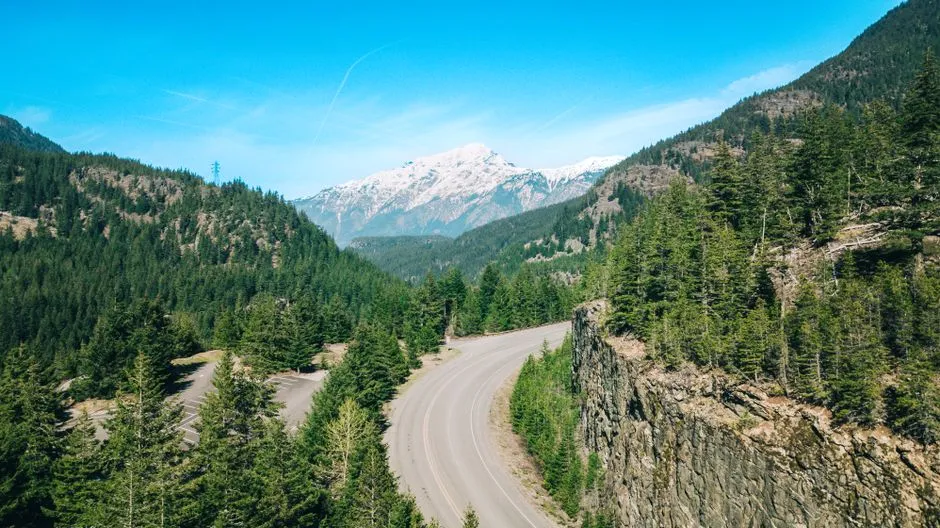
- Let Packwood be the base, not the waiting room
- Before booking: choose the weekend's purpose
- Build a three-source conditions habit
- Friday: arrive with enough daylight to think
- Saturday option A: one Mount Rainier corridor
- Saturday option B: a verified national-forest day
- Saturday option C: make the town day deliberate
- Saturday evening: reset before the road closes the vote
- Sunday: choose a shorter, departure-friendly outing
- Keep meals and supplies resilient
- A flexible weekend still has structure
Let Packwood be the base, not the waiting room
Packwood is easy to misunderstand as the place where you sleep before doing something grander. That wastes the useful shape of the town. It sits on US 12 between major Cascade landscapes, close enough to invite ambitious day trips but substantial enough to support a weekend when clouds, snow, fire, construction, or a closed gate edit the original plan.
Build the stay around one major outdoor zone, not a frantic sampler platter. Give arrival day to live checks and town, Saturday to the strongest verified route, and Sunday to a shorter outing along the departure direction. You will see more by spending less time proving that several distant pins can technically fit on one map.
Before booking: choose the weekend's purpose
Decide whether the trip is primarily for Mount Rainier, national-forest recreation, winter sports, a local event, or an unhurried mountain-town break. These can overlap, but the first priority should determine the season, lodging location, equipment, and cancellation flexibility.
Book lodging early for summer weekends, holiday periods, ski dates, and large events. Read the cancellation, late-arrival, pet, parking, and weather policies. Verify amenities directly; do not assume every cabin has reliable mobile service, every room has cooking facilities, or every mountain view will clock in for its shift.
Treat availability and access as separate questions. A room may be ready when a park road is closed. Choose a place you would still enjoy if the weekend became lower-elevation and town-based.
Build a three-source conditions habit
Within a week of departure, and again the morning you leave, check:
- Mount Rainier National Park alerts and conditions for fires, construction, trail closures, facilities, and road status.
- The WSDOT real-time map and mountain-pass reports for US 12, SR 123, SR 410, and the route from home.
- Gifford Pinchot National Forest alerts for roads, trailheads, fire danger, and restrictions.
Then check the weather for Packwood and the actual elevation of your proposed outing. Town weather cannot stand in for a high trail, and a sunny icon does not reopen a road.
At any given time, park roads, developed areas, or trails may close for fire, construction, flood damage, snow, or another operational reason. The alerts page is the authority for the trip in front of you. Do not copy a dated conditions snapshot into the weekend plan; rebuild the affected day from places the managing agency lists as open.
Friday: arrive with enough daylight to think
If possible, reach Packwood before dark. Mountain roads, wildlife, fog, snow, and unfamiliar turns become less forgiving at night. Stop only in safe designated places and maintain extra following distance.
Check in, learn where your vehicle may park, and confirm the next morning's breakfast and fuel plan. Business hours and fuel availability change, so verify individual stops rather than relying on an old directory. Download maps while connected and charge phones, lights, and battery packs fully before bed.
Take a short walk in an appropriate public area, visit the local visitor center if its current hours align, or simply eat and reset. Packwood elk are wild. Watch from a generous distance, never feed or crowd them, keep pets controlled, and do not stand in traffic for photographs.
Before bed, make a go/no-go decision for Saturday using the newest official updates. Choose a primary plan and one fallback in a different zone or at a lower elevation.
Saturday option A: one Mount Rainier corridor
When the southeast route and desired destinations are open, Packwood can support a park day via US 12 and SR 123 toward Stevens Canyon Entrance. NPS places the entrance about 13 miles north of town, but entrance distance is not the same as time to a trailhead, parking space, or open facility.
Use our Packwood-to-Mount-Rainier guide to select the exact open road and destination. Leave early, carry your park pass or obtain the current required entry product, and confirm whether any reservation applies to your date and entrance. Download the official map; NPS warns that GPS can route visitors to a wrong or closed gate.
Choose one main walk or scenic area and one nearby short stop. On an open east-side day, durable geography can help you group options: Ohanapecosh is an old-growth forest area near SR 123, while Box Canyon and Reflection Lakes lie farther west along Stevens Canyon Road. Those names describe places, not access promises; remove any one that is not open that morning. Avoid constructing a loop that depends on a seasonal connecting road without confirming it. Parking can be difficult on sunny summer weekends, and roadside parking is not permitted where prohibited.
Pack food, water, layers, and a turnaround time. Return before fatigue, weather, or darkness converts the final miles into a test you did not need to take.
Saturday option B: a verified national-forest day
If park access is unsuitable, look to the Gifford Pinchot National Forest—but do not treat “national forest” as code for permanently open. Forest roads can be rough, gated, snow-covered, washed out, affected by fire, or unsuitable for a low-clearance vehicle.
Use the Forest Service recreation catalogue to search for the place you actually mean, such as Packwood Lake, Walupt Lake, or a named trailhead, instead of following a generic hiking pin. Then review that site page, forest alerts, road status, pass rules, fire restrictions, toilet and water information, and the route's fit for the group. Contact the ranger district when the official pages leave a material question unanswered.
Use a conservative turnaround time and stay on the open route. Download or carry appropriate maps. Tell someone the plan and return time when going beyond busy developed areas. A quiet road is not evidence that the route is suitable for your vehicle.
Saturday option C: make the town day deliberate
A blocked mountain day does not have to become several hours of scrolling beside a window. Build a Packwood day from a few specific pieces: an unhurried meal, local history, a town walk, shopping, reading, and one safe scenic drive or low-elevation stop.
The Packwood Visitor Center can provide local information, but confirm current hours and event details. Ask what is genuinely open today, not what usually opens in this season. Avoid presenting private businesses as guaranteed itinerary furniture; call or check their official pages directly.
Leave space for doing very little. A mountain weekend is allowed to include coffee, rain on a roof, and the rare discovery that a board game still works without cellular service.
Saturday evening: reset before the road closes the vote
Return with enough time to refuel and check the next day's conditions. If dining out matters, choose the restaurant before leaving town that morning; mountain-day hunger is a poor concierge. If cooking, confirm lodging rules and clean up safely.
Review photos without geotagging sensitive or unofficial locations. Do not share a route that crosses a closure or imply that wildlife approached safely because the camera made it look close.
Repack wet gear, charge lights and phones, and place tomorrow's road layers where they are reachable. Check WSDOT and the weather again; the pass has no obligation to preserve the forecast you read on Thursday.
Sunday: choose a shorter, departure-friendly outing
Avoid scheduling the weekend's longest or most remote objective before a long drive home. Pick an open short walk, viewpoint, town activity, or forest stop that lies near the confirmed departure route. Give it a firm turnaround time.
If weather deteriorates, depart early. In winter, closures or traction changes can develop rapidly; our Packwood winter guide explains chain advisories and why AWD still needs compatible chains in the vehicle.
Leave accommodation, parking areas, and recreation sites cleaner than you found them. Pack out rubbish, respect private property, obey fire restrictions, and avoid driving around a gate. A closure does not become optional because your checkout time was inflexible.
Keep meals and supplies resilient
Carry enough food and water to bridge a delayed meal or closed business, while supporting local businesses that are open and suitable. Dietary needs deserve advance planning; a small town cannot guarantee that every preference is available late at night.
Keep a cooler appropriately cold and separate raw food from ready-to-eat items. If the lodging has a kitchen, follow its appliance and fire rules. Never operate a camp stove, grill, or fuel-burning device indoors or in an enclosed space.
Ask about accessibility before booking, including steps, parking surface, bathroom layout, and winter maintenance. Trail labels such as easy do not describe every visitor's needs, and temporary construction can alter an otherwise familiar route. Use current agency accessibility details and speak directly with the lodging or operator. If anyone in the group needs reliable power, refrigeration for medication, or rapid access to care, build those requirements into the location choice rather than assuming a rural property can improvise them.
Use our Packwood packing list for layers, trail equipment, navigation, and the road kit. The list is modular: a town weekend does not need technical snow gear, while a winter drive needs more than an attractive wool hat.
A flexible weekend still has structure
The best Packwood plan is not vague. It has one priority, official condition checks, a primary route, a real fallback, turnaround times, and enough supplies to absorb delay. What it does not have is emotional dependence on a single gate remaining open.
Friday establishes the facts. Saturday follows the strongest open option. Sunday stays short and route-aware. That rhythm gives the landscape room to surprise you without allowing every surprise to reorganize the car in the dark.